
impact resistant laminated glass
Understanding 3-Way Gate Valves A Comprehensive Overview In various industrial applications, the need for effective fluid control and management is paramount. Among the numerous types of valves used in piping systems, the 3-way gate valve stands out for its unique functionality and versatility. This article aims to provide a comprehensive understanding of the 3-way gate valve, its applications, advantages, and operational principles. What is a 3-Way Gate Valve? A 3-way gate valve is a type of valve that enables the control of fluid flow in three different directions. It features a robust gate mechanism, which is designed to open and close to either allow or block the flow of liquids or gases. Typically constructed from materials like stainless steel, brass, or cast iron, these valves are designed to withstand high pressures and temperatures, making them suitable for demanding industrial environments. Design and Structure The design of a 3-way gate valve includes three ports one inlet and two outlets, or vice versa, depending on the fluid flow requirements. The valve operates by either lifting or lowering a gate that fits snugly within the valve body. This mechanism allows for a straight flow path when the valve is fully opened, minimizing turbulence and pressure loss. In contrast to other valve types, the 3-way design is particularly beneficial in applications requiring the redirection of flow or the mixing of different fluid streams. Applications 3-way gate valves find their applications in a variety of areas, including 1. Water Treatment Facilities They are often used to control flow directions in treatment plants, ensuring optimal water quality and distribution. 2. Oil and Gas Operations In the extraction and transportation of hydrocarbons, these valves manage the flow between different pipelines and storage tanks. 3 . Chemical Processing The ability to control and redirect aggressive chemicals safely makes 3-way gate valves essential in chemical manufacturing settings. 3 way gate valve 4. HVAC Systems In heating, ventilation, and air conditioning systems, they help regulate and redirect airflow efficiently. Advantages of 3-Way Gate Valves The implementation of a 3-way gate valve in industrial systems offers a multitude of advantages 1. Versatility The ability to direct flow through multiple channels allows for greater flexibility in system design. 2. Reduced Pressure Drops When fully opened, the gate mechanism minimizes resistance to flow, resulting in lower pressure drops compared to other valve types. 3. Simplified Maintenance 3-way gate valves generally require less maintenance due to their straightforward design, leading to reduced downtime in industrial operations. 4. Durability Constructed from robust materials, these valves can withstand harsh operating conditions, ensuring a long service life. Operational Principles The operation of a 3-way gate valve is relatively simple. When the actuator (manual or automated) rotates or moves the valve stem, the gate rises or falls. For switching the flow direction, the valve can be turned to an intermediary position, allowing flow through one outlet while blocking the other. This ability to regulate multiple paths is particularly beneficial in systems where efficiency and directionality are crucial. Conclusion 3-way gate valves represent a crucial component in the realm of fluid control and management across numerous industries. Their unique design, combined with the ability to manage flow in multiple directions, provides significant advantages over traditional gate valves. As industries continue to evolve, the demand for efficient and reliable valve systems, including 3-way gate valves, will likely increase. Understanding their operation, applications, and benefits is essential for engineers and operators tasked with designing and maintaining fluid systems that meet stringent performance criteria. In summary, the 3-way gate valve is not just a mechanical device, but a pivotal element that enhances operational efficiency and safety in various industrial processes.
about
impact resistant laminated glass
Understanding the 6G Thread Gauge Precision in Engineering In the world of engineering and manufacturing, precision is paramount, particularly when it comes to threading. The 6G thread gauge stands out as a critical tool designed for ensuring that threaded components meet exact specifications. This article delves into the significance of the 6G thread gauge, its applications, and the standards that govern its use. Understanding the 6G Thread Gauge Precision in Engineering One of the key features of the 6G thread gauge is that it allows for the measurement of both external and internal threads. This dual capability is crucial for ensuring that mating components exhibit the requisite alignments and fit. The gauge itself is designed with precision in mind, often made with high-quality materials that can endure the rigors of repeated use in manufacturing environments. 6g thread gauge The applications of the 6G thread gauge are vast, spanning industries such as aerospace, automotive, and heavy machinery. In these sectors, the integrity of threaded connections can significantly impact the safety and performance of the final product. For instance, in aerospace applications, the failure of a threaded joint could have catastrophic consequences. As such, utilizing a 6G thread gauge helps engineers verify that every component meets stringent safety and performance standards. Moreover, the 6G classification adheres to widely accepted standards set forth by organizations such as the American National Standards Institute (ANSI) and the International Organization for Standardization (ISO). These standards provide a framework for consistency and reliability across manufacturing processes, ensuring that parts produced globally can be interchanged without issues. In summary, the 6G thread gauge is an indispensable tool in modern engineering, offering a reliable means of measuring the accuracy of threaded components. Its application across various fields underscores its importance in maintaining quality and safety standards. By adhering to established guidelines and utilizing precision instruments such as the 6G thread gauge, manufacturers can ensure that their products are not only functional but also safe for end-users. In an increasingly competitive market, such attention to detail can set companies apart and drive innovation. As technology continues to evolve, the role of thread gauges will remain vital in the pursuit of excellence in engineering.
-

High quality industrial productsagement

High quality industrial products
View Details -

Meet the diverse needs of customers

Meet the diverse needs of customers
View Details -

Strict quality control

Strict quality control
View Details -

Top raw materials

Top raw materials
View Details -

Trusted supplier

Trusted supplier
View Details
Our application

news and information

valve supplier
Choosing the right valve supplier is a critical decision for manufacturers and industries worldwide.
Y Type Strainer Featuring Convenient Drain Valve for Efficient Fluid Filtration
Understanding Y-Type Strainers with Drain Valves In industrial settings, efficient fluid management

Welding and Fabrication Techniques for Enhanced Structural Integrity and Performance
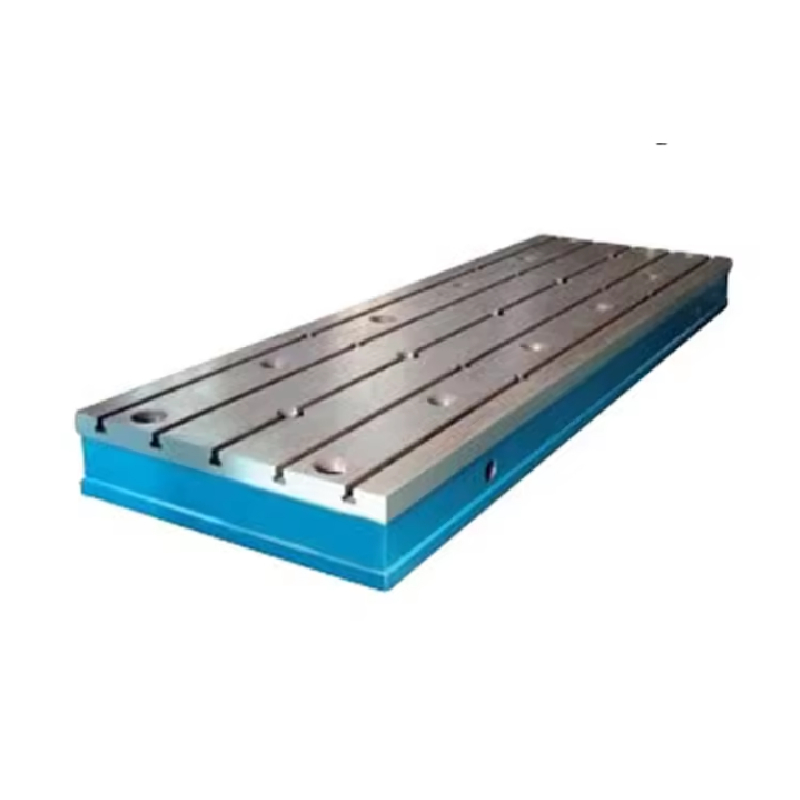
Understanding the Welding Fabrication Table A Key Tool for Metalworking In the realm of metalworking
 English